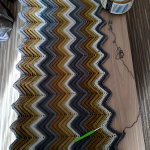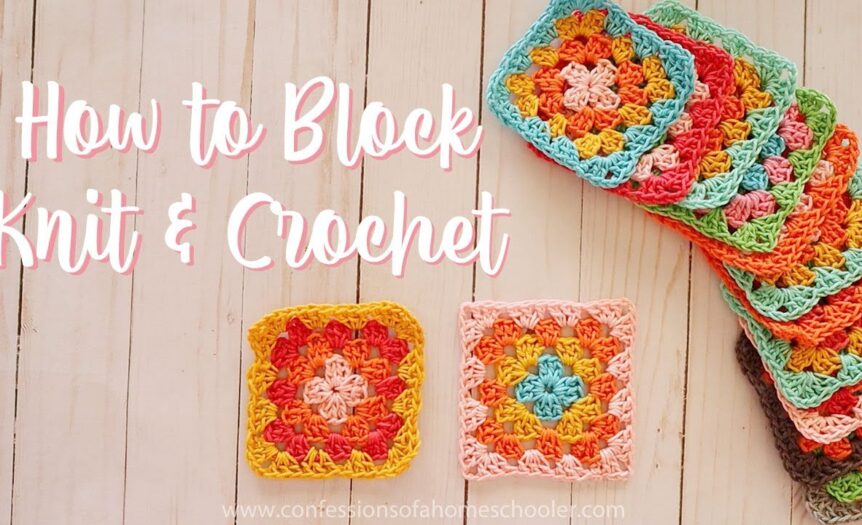
Have you ever completed a crochet project only to find the edges curling, the corners uneven, or the lace details squished? Blocking is the magic final step that relaxes the fibers, sets the shape, and makes your project look professional. Learn wet blocking, steam blocking, and spray blocking in this guide.
Materials & Tools Required
To follow along with this project, you will need the following materials:
- **Yarn:** Finished crochet project.
- **Notions:** Foam blocking mats (or towels), rust-proof pins, steamer or spray bottle.
- **Skill Level:** Advanced Beginner / Intermediate.
Stitch Abbreviations & Guide
Before beginning, review these common abbreviations used throughout the pattern:
- **N/A**
Step-by-Step Instructions
Follow these detailed instructions to complete the project. Keep your stitch counts consistent!
Method 1: Wet Blocking (Best for Wool/Cotton)
Method 2: Steam Blocking (Best for Acrylic)
Pro Tips for Success & Pinterest Styling
RustProof Pins: Always use stainless steel pins so you don’t get rust spots on your finished projects.
Pinterest Share: A dramatic ‘before and after blocking’ comparison photo is one of the most shared crochet topics on Pinterest.
Frequently Asked Questions
Q: Do I have to block after every wash?
A: For wool and cotton, yes, they will need light reshaping. Acrylic blocking is mostly permanent if you steam block it.
Q: Can I block on my bed?
A: Yes, if you lay towels down and use pins carefully, but foam mats are much easier and protect your mattress.
Conclusion
Mastering this project is a wonderful milestone in your crochet journey. Once you finish, be sure to pin it on Pinterest to save it for your next crafting session and share your beautiful results with the community! Happy crocheting!