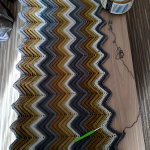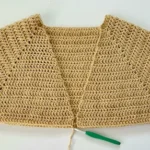
You’ve spent hours crocheting a beautiful blanket, only for the ends to poke out and unravel after the first wash. Weaving in ends is the least favorite task of most crafters, but doing it correctly is vital for durability. In this guide, we show you the professional ‘3-way weave’ method to lock your ends forever.
Materials & Tools Required
To follow along with this project, you will need the following materials:
- **Yarn:** Finished crochet swatches.
- **Notions:** Tapestry needle (metal with a blunt tip is best), scissors.
- **Skill Level:** All Levels.
Stitch Abbreviations & Guide
Before beginning, review these common abbreviations used throughout the pattern:
- **N/A**
Step-by-Step Instructions
Follow these detailed instructions to complete the project. Keep your stitch counts consistent!
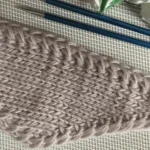
The 3-Way Weave Method
Pro Tips for Success & Pinterest Styling
Metal Needles: Choose blunt metal tapestry needles over plastic ones. Metal slides through yarn fibers much easier and allows you to split the strands cleanly.
Pinterest Share: A visual comparison of a poorly woven end (unraveling) vs. a 3way split weave is a great topic for Pinterest.
Frequently Asked Questions
Q: Should I cut the tail immediately after changing color?
A: Never! Always leave a tail of at least 6 inches to weave in. Cutting too close will cause the stitch to unravel.
Q: Can I use fabric glue?
A: You can apply a tiny dot of flexible fabric glue to the end of a woven tail for extra security on slippery synthetic yarns.
Conclusion
Mastering this project is a wonderful milestone in your crochet journey. Once you finish, be sure to pin it on Pinterest to save it for your next crafting session and share your beautiful results with the community! Happy crocheting!